Copper extrusion parts — you know, those things you might have seen in different industries — are getting pretty popular lately. Why? Well, because they have some pretty cool properties that make them stand out. Basically, these parts are made by shaping copper into specific forms through a process that’s quite efficient. Copper’s versatility means you can use it in all sorts of applications. Manufacturers love using these because they conduct heat and electricity really well and tend to last a long time.
If you're thinking about using copper extrusion parts, it’s worth knowing what makes them such a good choice. They can really boost efficiency and help cut down on waste during production. Plus, when these parts are made with precision, it can actually improve the overall quality of the final product. That said, it’s also super important to pick the right supplier. Not all suppliers are created equal—some might deliver better quality, others might fall short.
Bottom line? Investing in copper extrusion parts can pay off in the long run. But before jumping in, do your homework. Make sure you understand how the parts are made and who you're buying from. Reliability and quality vary a lot from one company to another, so taking the time to evaluate your options is definitely worth it.
What are Copper Extrusion Parts? A Comprehensive Overview
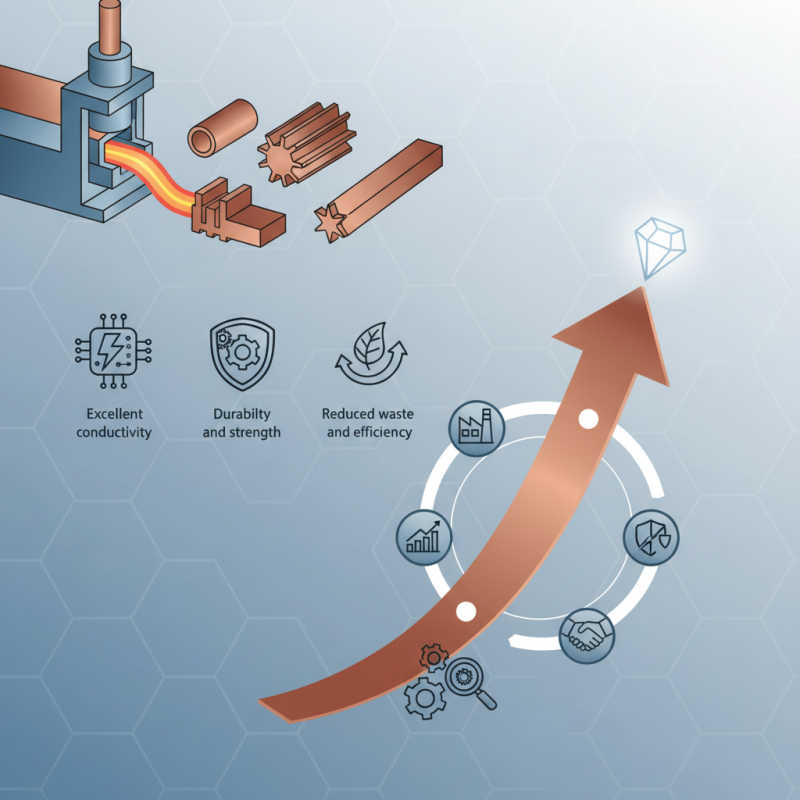
Copper extrusion partsare vital in various industries. They are produced by forcing heated copper through a shaped die. This process creates distinct profiles and shapes, tailored to specific requirements. The consistent quality of these components makes them reliable in applications ranging from Electrical to plumbing systems.
One of the main benefits of Copper Extrusion Components is their excellent conductivity. Copper has superior electrical properties, enhancing performance in electrical applications. Additionally, the extrusion method allows for precise dimensions, which can lead to reduced waste. However, achieving this precision can sometimes be challenging. Small variances in temperature or pressure can affect the final product.
Moreover, the durability of copper extrusion parts is noteworthy. These components resist corrosion and withstand high temperatures. Yet, buyers must consider the sourcing of raw materials. Environmental practices in mining can be concerning. Thus, investing in responsibly sourced copper can create more value for manufacturers and end-users.
The Copper Extrusion Process: Techniques and Machinery Involved
The copper extrusion process is a nuanced technique that plays a vital role in manufacturing. This method begins with heating copper billets until they become malleable. Once heated, these billets are forced through a die. This creates elongated shapes, including rods and Complex Copper Extrusion Shapes. The use of various dies allows for a wide range of profiles to meet specific needs.
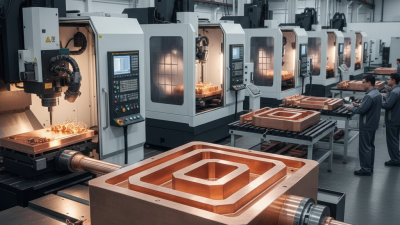
Machinery involved in copper extrusion varies, from hydraulic presses to mechanical options. Each type comes with its own advantages and challenges. The choice of machinery can significantly affect the quality of the final product. Operators must have a keen eye for detail. Minor errors during the process can lead to defects, which compromise the integrity of the parts. Therefore, training and experience are crucial in this domain.
The benefits of this process are substantial. It allows for high-volume production with reduced waste. However, achieving precision can be tricky. Buyers must consider both the advantages and potential drawbacks. Complex copper extrusion shapes may present unique challenges in terms of material properties and tooling wear. This requires careful planning and expertise to avoid inefficiencies.
What is Copper Extrusion Parts and Their Benefits for Buyers?
| Dimension | Description | Benefits |
| Conductivity | Copper has excellent electrical and thermal conductivity. | High efficiency in electrical components and heat exchangers. |
| Strength | Copper extrusion parts are strong and durable. | Long-lasting performance, reducing the frequency of replacements. |
| Malleability | Copper can be easily molded into intricate shapes. | Versatility in design for various applications. |
| Corrosion Resistance | Copper has a natural resistance to corrosion. | Extended lifespan in harsh environments. |
| Sustainability | Copper is recyclable and environmentally friendly. | Supports sustainable manufacturing processes. |
Key Benefits of Copper Extrusion for Different Industries
Copper extrusion is a manufacturing process where copper is shaped into desired profiles by forcing it through a die. This technique has significant benefits across various industries, making it a preferred choice for many applications. For example, in the electrical sector, copper extrusions are used for wiring and connectors due to their excellent conductivity. Reports suggest that the global copper extrusion market is expected to grow at a CAGR of over 4% through 2027, driven by the increasing demand for electrical components.
In the automotive industry, copper extrusion plays a key role in lightweight structures. These extruded parts help improve fuel efficiency and reduce emissions. A study by the International Energy Agency indicates that optimizing vehicle design with lightweight materials can enhance fuel consumption by up to 15%. However, the challenge lies in balancing strength and weight. Manufacturers need to ensure that extruded parts meet safety and performance standards.
Copper extrusions are also beneficial in plumbing and HVAC systems. Their corrosion resistance and durability make them ideal for pipes and fittings. According to industry data, the use of extruded copper in these applications can lead to a notable decrease in maintenance costs. Yet, the process requires careful quality management. Variances in extrusion can result in defects, impacting the overall reliability of the products. Achieving consistent quality is an ongoing challenge in the industry.
Cost Efficiency of Copper Extrusion Parts Compared to Alternatives
Copper extrusion parts offer significant cost efficiency compared to alternative materials. This advantage stems from the low raw material costs and the efficient manufacturing process. Industry reports indicate that copper extrusions can reduce production costs by up to 30% compared to steel and aluminum parts. The high thermal and electrical conductivity of copper also enhances operational efficiency, reducing energy consumption over time.
Moreover, copper offers excellent corrosion resistance. This increases the lifespan of components, lowering replacement costs. A study from the Copper Development Association highlights that parts made from copper can last twice as long as their aluminum counterparts under similar conditions. This longevity translates directly to cost savings for manufacturers and buyers alike.
However, it’s essential to consider the initial price point of copper. While raw copper may carry a higher price than some alternatives, the long-term benefits often outweigh these costs. Buyers must evaluate their specific needs and the potential return on investment. Ignoring these aspects might lead to overspending on cheaper materials that require frequent replacements. Careful assessment ensures that buyers make informed choices that align with their budget and operational goals.
Mechanical Properties of Copper Extrusion: Strength and Conductivity
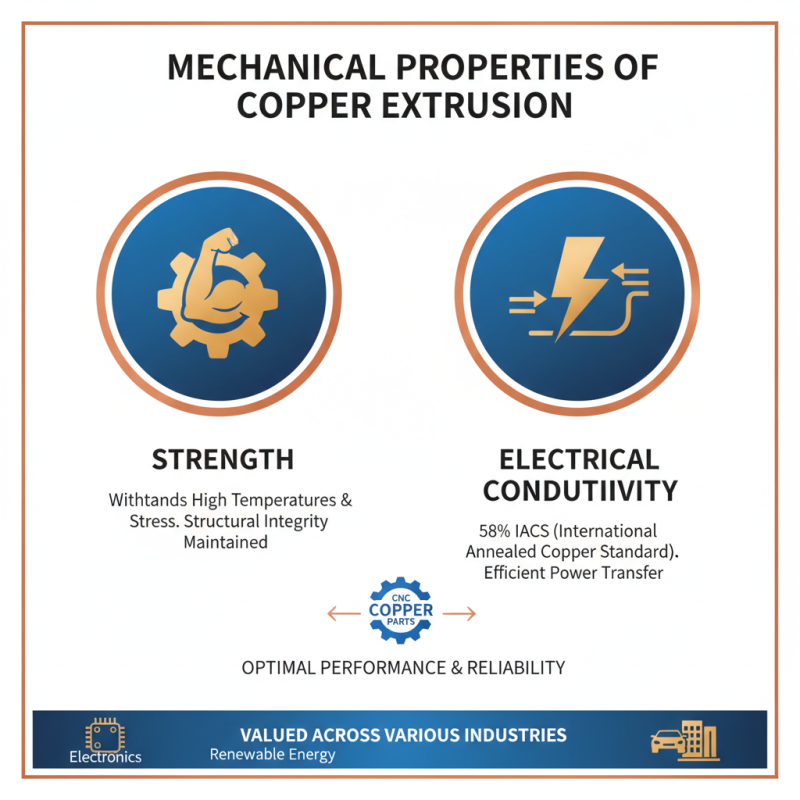
Copper extrusion parts are valued in various industries for their mechanical properties, particularly strength and conductivity. Copper's excellent electrical conductivity, approximately 58% IACS (International Annealed Copper Standard), makes it essential for electrical applications. This quality allows Cnc Copper Parts to efficiently transfer electrical currents in devices, ensuring optimal performance and reliability. Reports indicate that copper components can withstand high temperatures while maintaining structural integrity.
Another significant benefit lies in copper's mechanical strength, making it suitable for demanding applications. Copper can achieve tensile strengths between 200 and 400 MPa, which provides a solid foundation for CNC copper parts in various settings. Such properties are critical in automotive and aerospace manufacturing, where components face extreme conditions. However, the malleability of copper can be a double-edged sword. While it allows for intricate designs, excessive bending may compromise strength over time.
Moreover, copper’s resistance to corrosion enhances its durability in many environments. Yet, certain conditions, like exposure to acids, can lead to degradation. Buyers should consider the specific application to avoid potential failures. Conducting thorough assessments of the mechanical properties of copper ensures the right performance for specific needs, making careful selection vital.
Sustainability and Recycling in Copper Extrusion Manufacturing
Copper extrusion is a significant method in metal manufacturing. This process allows buyers to utilize copper efficiently, leading to various benefits. One key aspect that deserves attention is sustainability. The copper extrusion industry has made strides in minimizing environmental impact through effective recycling practices.
Recycling plays a crucial role in copper extrusion. Copper can be recycled without losing its quality. After recycling, the material can be repurposed for new extrusion products. This not only reduces waste but also conserves energy. It is estimated that recycling copper saves up to 85% of the energy required to extract new copper. However, the challenge remains in the collection and sorting of scrap copper. Efforts to improve these processes are ongoing.
Buyers should consider the sustainability of their materials. Choosing recycled copper helps promote a circular economy. It reduces the carbon footprint and encourages responsible sourcing. However, not all suppliers prioritize sustainability. It’s essential for buyers to ask questions and verify practices. Mindful purchasing leads to a healthier planet while providing quality products.
Applications of Copper Extrusion Parts in Modern Technology
Copper extrusion parts find extensive use across various sectors in modern technology. Their excellent conductivity makes them ideal for electrical applications. Data from industry reports indicates that the global market for copper extrusions is projected to reach approximately $15 billion by 2025. This growth is largely driven by the demand for efficient energy solutions and high-performance materials.
In the automotive industry, copper extrusions are integral for components like radiators and electrical connectors. These parts enhance heat dissipation, improving vehicle efficiency. In the aerospace sector, lightweight yet strong copper extrusions are crucial in manufacturing critical components. Reports show a significant rise in their application due to evolving aerospace technologies. Yet, challenges remain, such as the need for greater precision in the extrusion process to minimize defects.
Electronics also benefit from copper extrusions, especially in circuit boards. Innovations in design can lead to lower production costs. However, some manufacturers struggle with the balance between quality and cost-effectiveness. Ensuring the integrity of the material through the extrusion process is vital. The ongoing refinement of technologies can enhance the performance and reliability of copper extrusion parts. This reflects the industry's commitment to quality and innovation.
Exploring the Impact of High-Precision CNC Milling Parts on R&D Efficiency: Insights from Recent Industry Reports
In recent years, the precision offered by CNC milling technology has transformed the landscape of research and development (R&D). High-precision CNC milling parts are engineered to meet the demanding requirements of experimental projects, playing a pivotal role in the new product development cycle and experimental testing. According to industry reports, companies that leverage these advanced parts can achieve significantly improved outcomes, reducing lead times by as much as 30% while enhancing prototype accuracy and functionality.
One of the key benefits of high-precision CNC milling is its ability to produce intricate and complex geometries that are vital in cutting-edge research projects. Recent data highlights that organizations utilizing CNC milling in their R&D efforts have seen an increase in experimental efficiency, attributed to the reliability and consistency of the manufactured parts. These CNC parts not only contribute to the overall durability of prototypes but also allow for rigorous testing phases, ensuring that new products meet market standards before their launch.
Furthermore, with the ongoing advancements in CNC technology, the customization and flexibility offered by high-precision machining are unparalleled. R&D teams are now able to iterate designs more quickly, facilitating a faster innovation cycle. Reports indicate that adopting such technology has led to improved collaboration between engineering and manufacturing teams, ultimately driving the success of new experimental projects while meeting the dynamic demands of the market.
FAQS
: Copper extrusion parts are formed by forcing heated copper through a die. This process produces various shapes.
Copper has excellent conductivity. This property enhances performance in electrical devices and systems.
It allows for high-volume production and precise dimensions. This can lead to reduced waste.
Yes, small variances in temperature or pressure can affect precision. This may compromise product quality.
Copper can achieve tensile strengths between 200 and 400 MPa. This makes it suitable for demanding environments.
Buyers should consider the sourcing methods for raw materials. Environmental practices in mining are essential to evaluate.
Copper resists corrosion and high temperatures, enhancing its durability. However, acids can cause degradation in certain conditions.
Yes, hydraulic and mechanical presses are commonly used. Each type presents unique advantages and challenges.
Operators must be detailed and skilled. Minor errors can lead to defects, impacting the integrity of parts.
Yes, while malleability allows for intricate designs, excessive bending may compromise a part's strength.
Conclusion
Copper Extrusion Parts are essential components produced through the copper extrusion process, which involves shaping copper material using various techniques and machinery. This process not only enhances the mechanical properties of copper, such as strength and conductivity, but also caters to the needs of different industries by providing cost-efficient alternatives to traditional manufacturing methods.
Additionally, the sustainability aspect of copper extrusion allows for effective recycling, making it an environmentally friendly choice. These parts find applications across modern technology, ranging from electrical components to structural elements, demonstrating their versatility and importance in industrial advancements. Overall, Copper Extrusion Parts play a significant role in enhancing product performance while promoting sustainable practices in manufacturing.